Alaska Homeowners Insurance and Snow Damage to Your Roof
Snow on your roof in the Mat-Su? See how the cause of damage can affect coverage, plus steps to take if a roof or ceiling gives way.
Coverage
Homeowners insurance helps pay to repair or rebuild your house, replace your belongings and cover your liability if someone is hurt on your property. Most policies leave out earthquake and flood. Monica Johnson Insurance Agency helps Wasilla, Palmer and Mat-Su homeowners compare policies placed through GEICO, from a cabin on acreage to a new build off the Parks Highway.
Pays to repair or rebuild the house itself after a covered loss, such as a fire, up to the dwelling limit.
Covers buildings that are not attached to the house: a detached garage, a shop or a shed, under their own limit.
Replaces or repairs your belongings, from furniture to tools, when a covered event damages or destroys them.
Protects you if someone is hurt on your property or you accidentally damage someone else's, including the cost of defending a lawsuit.
Smaller, no-fault coverages that pay a guest's minor medical bills or for something of theirs you break.
Pays the extra cost of living somewhere else while a covered loss makes your home unlivable.
GEICO also names flood, earthquake and umbrella coverage as add-ons to look at alongside a home policy.
Alaska rules
Alaska law does not require home insurance, but the Division of Insurance notes that a mortgage lender will.
The Division lists flood and earthquake among common exclusions and says a separate earthquake policy is likely needed, with a deductible usually set at 10% of the dwelling coverage amount.
Neither the State of Alaska nor the Mat-Su Borough has adopted the International Residential Code, so a borough inspection does not stand behind a house's framing or snow load. Insurers may ask more about construction and the roof.
Work in a mapped flood hazard area needs a Mat-Su Floodplain Development Permit before it starts.
Local risks
The 2015 Sockeye Fire near Willow destroyed 55 homes. The borough's Firewise guidance asks owners to clear conifers within 15 feet of the house and space trees farther out.
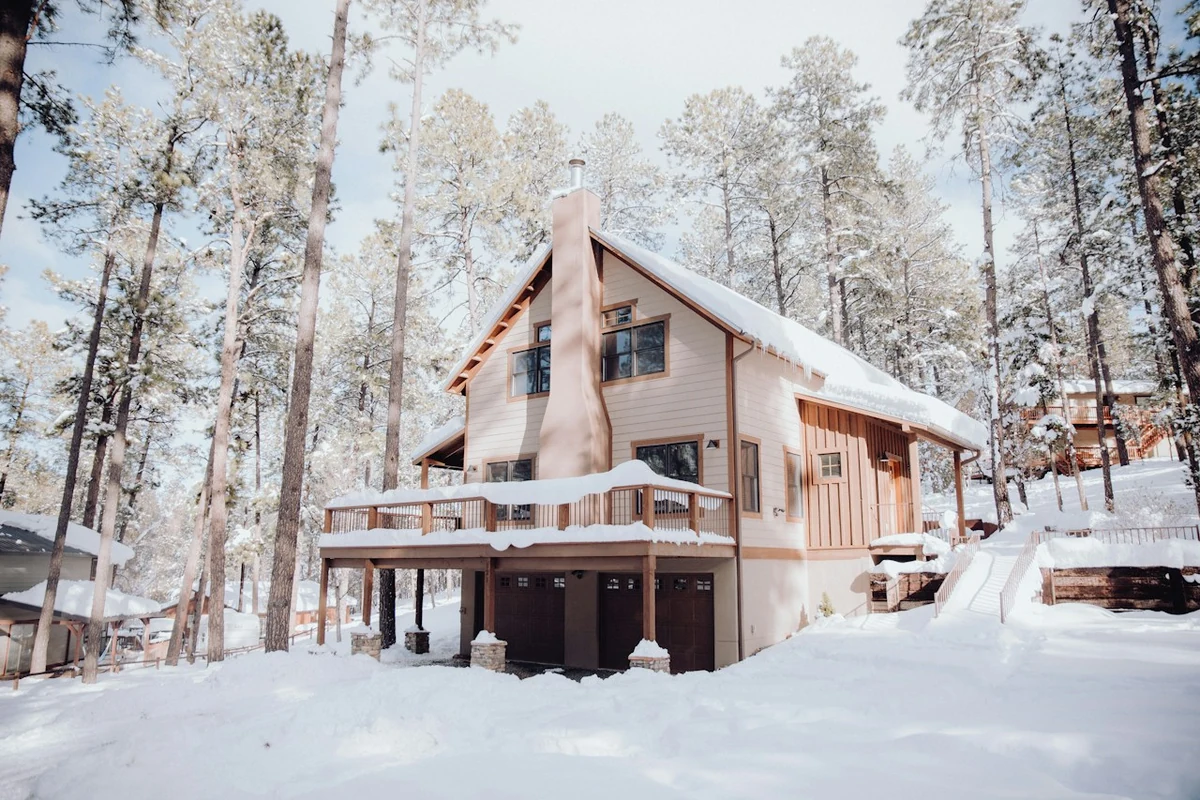
Part of the Palmer Public Library roof collapsed on February 15, 2023, with the weight of snow the likely cause. How a policy treats a collapse often depends on its cause and on upkeep.
The borough reports that 93% of its households are on private septic systems. Ask how a policy treats septic backup and well pumps before you need to know.
Wasilla police reported 45 burglaries in 2025.
Good to know
A standard homeowners policy usually pays nothing for quake damage, and the 2018 magnitude 7.1 struck deep beneath Anchorage and the Mat-Su Valley. See earthquake insurance for what separate coverage pays, how its deductible works and what to ask the office about it.
Before you quote
The current policy's summary of limits and deductibles, if you have one.
The closing date for a purchase, or your renewal date if you are switching.
Year built, living space in square feet, construction (frame or log) and foundation type.
The age of the roof and of the heating, plumbing and electrical systems, and any updates.
How far the house is from the nearest fire department and fire hydrant.
Any claims on the property in recent years.
Match the dwelling limit, deductibles and policy term before you look at price. Then weigh the full-year premium and the payment plan, and what extras each quote adds.
The Division of Insurance says belongings are usually paid at actual cash value unless you buy replacement cost coverage. Check which basis each quote uses for the house and for your things.
A flat deductible is a set dollar amount; a percentage deductible, the usual form for earthquake, grows with the dwelling limit. See which kind each quote uses, and for which losses.
Discounts
Discounts vary, may not be available in every situation and are subject to eligibility.
FAQ
Related
Last updated