
Renters Insurance in Wasilla: What It Covers in Alaska
Your landlord's policy won't pay for your things or a lawsuit against you. Here's what a renters policy covers in Wasilla, and what it leaves out.
Coverage
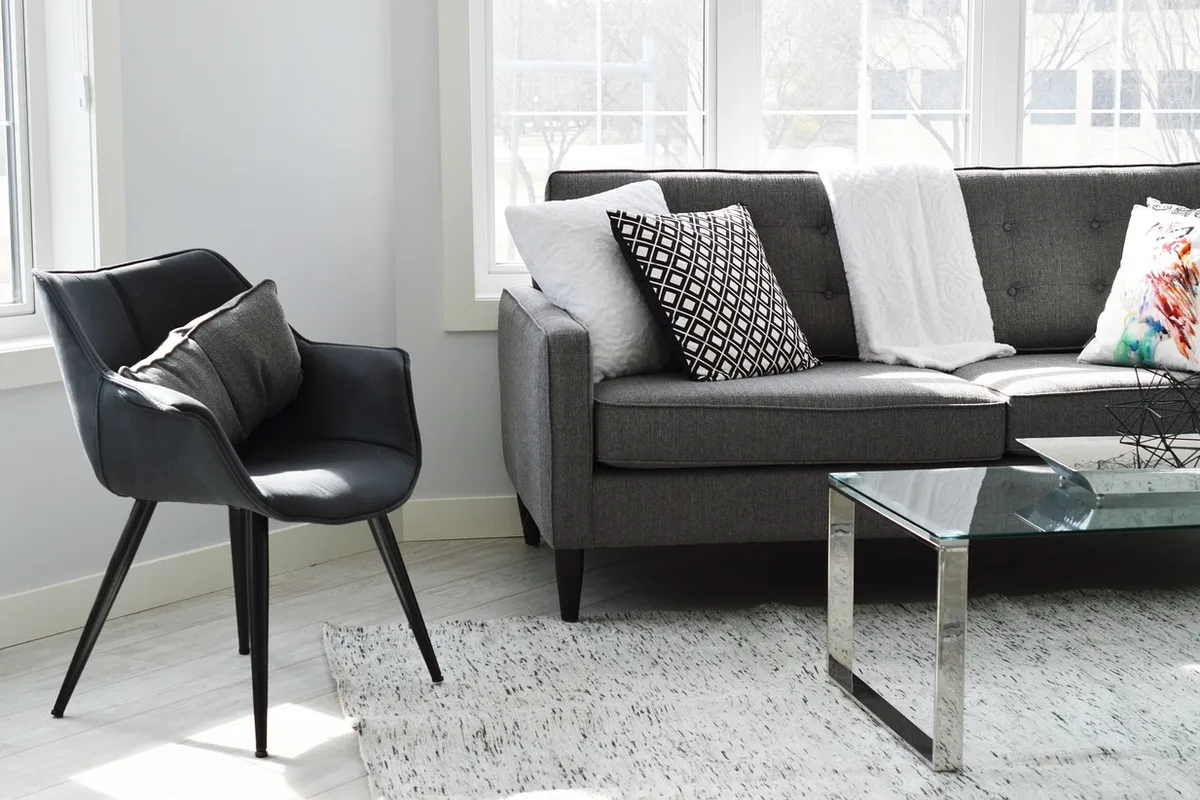
Renters insurance covers your belongings and your liability when you rent a house, apartment or cabin, because your landlord's policy covers the building, not what is inside it. It can also pay extra living costs after a covered loss. Monica Johnson Insurance Agency helps renters in Wasilla, Palmer and across the Mat-Su set limits that fit what they own.
Pays to replace your furniture, clothes, electronics and gear when a covered event, such as a fire or theft, damages or takes them.
Protects you if a guest is hurt at your place or you accidentally damage someone else's property, including legal defense.
Pays the extra cost of a motel or short-term rental when a covered loss leaves your rental unlivable.
Helps pay a visitor's minor medical bills after an injury at your rental, whoever was at fault.
GEICO also describes additional renters coverage. Ask the office what it adds on an Alaska policy, and whether the policy you are offered pays replacement cost or actual cash value for your belongings.
Alaska rules
No Alaska law requires renters insurance. The Landlord and Tenant Act does not address it either way, so whether you must carry it is up to your lease.
Under a standard homeowners or landlord policy, the owner's coverage is for the structure and the owner's own liability, not your belongings.
Standard renters policies usually exclude both, the same exclusions the Division of Insurance lists for home policies.
Local risks
Wasilla police reported 314 thefts, other than vehicle thefts, and 45 burglaries in 2025.
The 2018 magnitude 7.1 quake was followed by more than 11,000 aftershocks. A standard renters policy would not pay for belongings broken by the shaking.
The 2015 Sockeye Fire destroyed 55 homes near Willow. If a covered fire forces you out, additional living expenses are what keep a roof over your head.
The Mat-Su added more people than any other Alaska borough in the latest state estimate (1,696), and many newcomers rent first.
Good to know
A personal property limit is only as good as the list behind it. Walk through each room with your phone and record what you own, opening closets and drawers as you go, and note anything expensive on its own line with a receipt or serial number.
Keep the video somewhere other than your rental, such as a cloud backup or an email to yourself. If a fire or theft ever happens, that record is what makes a claim quicker, and it shows you whether the limit you picked is enough.
Before you quote
The address, and your move-in date or the date the lease starts.
A rough value of what you own, from your home inventory.
Jewelry, a camera or gear that might need its own coverage.
Who shares the rental: a policy does not cover a roommate's property.
Put the same personal property and liability limits, deductible and term on each quote. Compare the yearly price and how it is billed, and note what each one adds.
Ask whether each quote pays replacement cost or actual cash value for your things; the Division notes actual cash value is the usual default.
If your lease sets a minimum liability limit, make sure every quote meets it before you compare price.
Discounts
Discounts vary, may not be available in every situation and are subject to eligibility.
FAQ
Related
Last updated